
CRM
Use one contact record to connect lifecycle, consent, purchases, conversations, and history, so each interaction starts with the relationship already understood.
Find Your Advantage.
BDD Business OS turns shared understanding into a connected system for customer relationships and everyday operations. Built around your business and the people it serves, information moves with the work, routine actions can happen automatically, and your team stays clear on what needs attention.
The System
Familiar capabilities keep their specialized jobs. Shared context keeps customers, teams, work, and decisions connected across them.
Use one contact record to connect lifecycle, consent, purchases, conversations, and history, so each interaction starts with the relationship already understood.
Capture questions, requests, registrations, and approvals in context, then route what people provide into the right relationship, record, and workflow.
Use customer behavior and shared context to guide campaigns and follow-up, so messages become more relevant as the relationship develops.
Connect availability, qualification, preparation, reminders, and follow-up, so every appointment remains part of the same customer relationship.
Give support access to purchase, membership, and conversation history, so customers get informed help without having to explain themselves again.
Use customer and membership context to provide the right access, maintain connection after the sale, and guide participation into the right spaces.
Connect client and internal work to visible stages, ownership, deadlines, and context, so teams know what is moving and what needs attention.
Keep products, orders, subscriptions, payments, fulfillment, and follow-up connected, so transactions become part of the ongoing customer relationship.
Use learning progress and assessment results to identify knowledge gaps, guide targeted courses and practice, and measure whether understanding improves.
The Relationship Engine carries the customer relationship from first contact through ongoing service. BDD Business OS extends that connected approach across the wider operation, guided by shared business direction, clear responsibilities, and measurement.
Your Starting Point
When customer information is scattered, the work becomes harder to follow. Shared context helps your team see what has happened and what needs to happen next.
Marketing sees one part of the customer’s story, sales another, and support a third. Your team spends time reconciling records and passing information by hand. Customers repeat themselves, and useful context gets lost between interactions.
Shared context reduces repeated questions and manual handoffs. Routine actions can happen automatically, while exceptions reach someone who can help. Your team can follow the work and see where attention is needed.
BDD shapes what happens between applications around your business. A purchase can start onboarding, give support the customer’s history, and trigger the right follow-up without your team moving information by hand. Shared context keeps the work connected and makes clear when someone needs to step in.
Discovery establishes a shared understanding of your business and the people it serves. BrandFavor keeps that context current. Together, these guide what the system needs to do, who takes responsibility, and how progress is measured.
The Crafts
The Business OS brings these eight Crafts together around the work your business needs to do.
The understanding everything else runs on.
Customer context, segmentation, and follow-up that make each interaction matter.
The storefront that sells and the loop behind it, inside the same relationship.
The one door the customer walks through, for content, commerce, and support alike.
The layer that turns what the systems know into decisions people can act on.
Experiences tested with real people, so the system flows the way customers move.
One director holding the whole, so the system stays coherent as it grows.
One voice across every message the system sends, from campaign to auto-reply.
Implementation Models
We can implement the integrated Business OS or connect the experiences we create to the platforms you already use.
Build within BDD’s integrated architecture. We configure the applications and workflows around your business, with shared context and clear responsibilities from the start.
Keep the CRM or business platform you already use. BDD designs and connects the experiences we create to it through supported connections, working within the capabilities of your retained platform.
Work on the existing systems behind those connections, including migration or additional integration, is assessed and scoped separately.
Build the capability. Keep improving the advantage.
Launch begins the next stage of our work together. BDD can stay involved to help your team use what we’ve built, keep work moving, and improve as your business changes.
Recommendations informed by customer behavior, measurement, and changing business priorities.
Help with the experiences, connections, and workflows BDD delivers, within the support scope we agree.
Practical training to help your team use what we’ve built. Initial training can accompany implementation; additional training is scoped separately.
Strategy, segmentation, design, and execution for specific audiences and objectives, scoped as individual initiatives.
Consulting, design, and customer segmentation are available with either path, alongside the guidance, support, training, and campaigns above. We define what is included in your agreement. What changes is how the underlying system is implemented and supported.
BDD implements and supports the connected system we build within the BDD architecture. Through an agreed subscription, we continue to support the system and workflows we deliver as your business evolves.
BDD connects the experiences we create to the platforms you retain. We support our work and agreed connection points through scoped engagements; your team and platform providers continue to support the underlying systems and their interactions.
The Lineage
These Creations demonstrate parts of the approach in practice. Each links to its full story; none represents the complete Business OS.

Commerce and relationship in one system. Weekly campaigns became the top revenue driver.

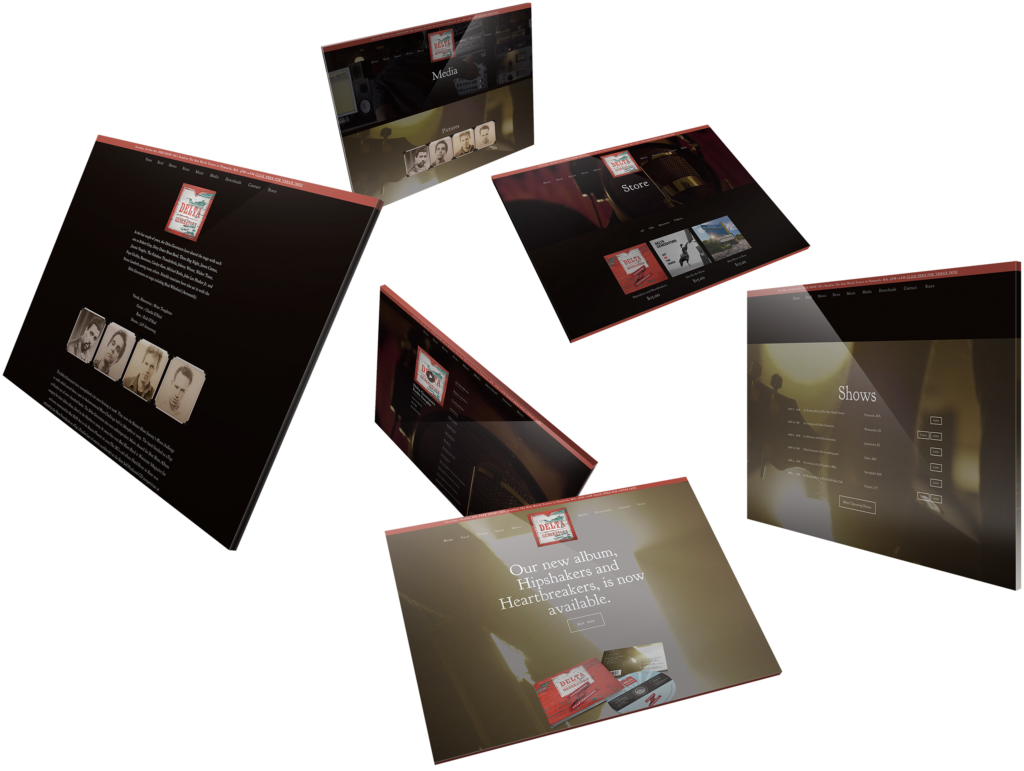
Announce once and it plays everywhere: site, social, video, listings, store, email. A small team running a label’s worth of marketing.
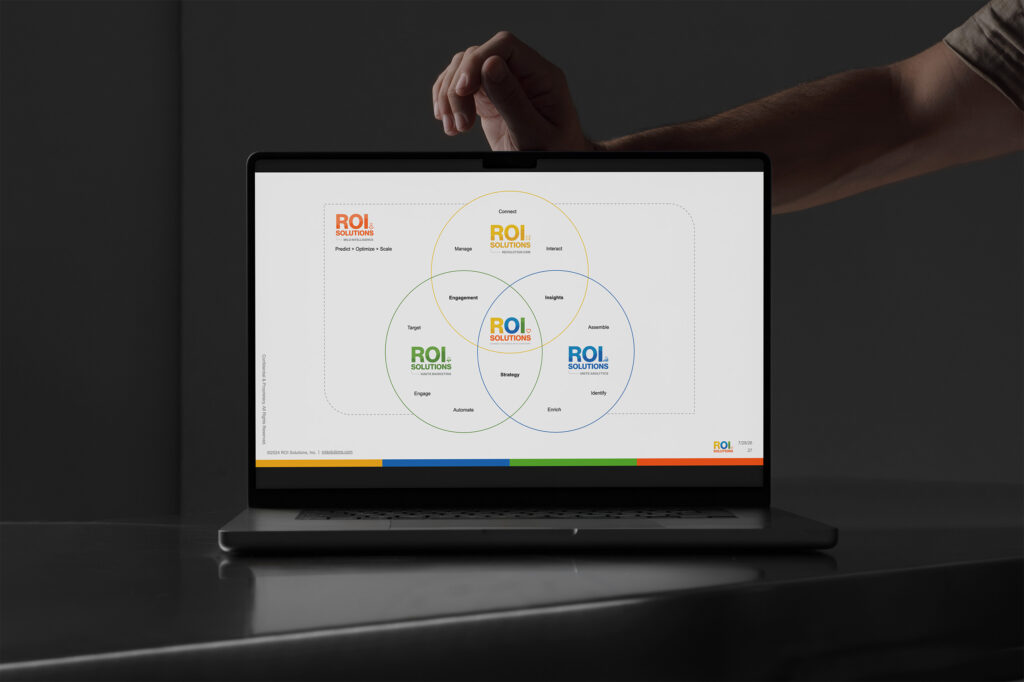
One trusted source feeding marketing, landing pages, sales, and analytics. Understanding as the product, put to work for a mission.
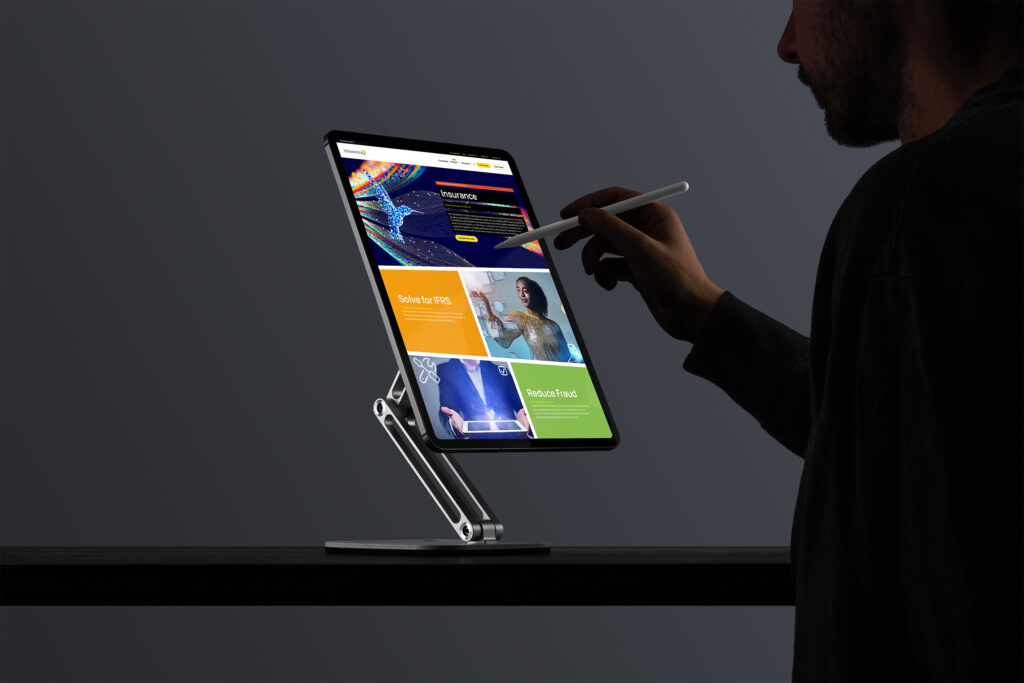
Structured content, layout rules, personalization, and reusable features turned a daring brand into a system marketing could operate at scale.
Next Step
Turn shared understanding into connected work.