Give Your Team the Customer Context
Customer information often sits across inquiries, purchases, campaigns, and support conversations. Bringing the relevant history together helps your team choose a more useful message and follow-up.
Customer Context That Carries Forward.
Relationship Systems connects customer context, segmentation, and timely follow-up with communication, automation, support, and community. It can strengthen an existing platform or form the core of a connected Relationship Engine.
The Story of Every Relationship
Customer context helps your team make each message, conversation, and next step more relevant.
Customer information often sits across inquiries, purchases, campaigns, and support conversations. Bringing the relevant history together helps your team choose a more useful message and follow-up.
Your team can see previous inquiries, purchases, preferences, and support conversations before deciding what to say next. Follow-up draws on that history, so customers spend less time repeating themselves.
A connected system remembers the relationship across every interaction. Timely follow-up, relevant service, and shared context keep customers engaged through quiet quarters and active ones.
We define useful segments, plan relevant messages, and connect customer behavior to the right follow-up. Welcomes, reminders, recovery campaigns, and helpful tips give the relationship continuity, with your team involved where judgment matters.
What You Receive
Shared context makes every interaction more timely and relevant.
Lifecycle rules, reminders, and visible ownership help the team notice unanswered inquiries and follow up.
Personalization and relevance that read as care, not automation.
Inquiries, preferences, and purchases inform the rules for who receives each message. Your team reviews the results and adjusts those rules as it learns.
Reach people who have chosen to hear from you, with campaigns measured alongside your other channels.
Win-backs, rewards, and stewardship that turn quiet quarters into second seasons.
Track repeat purchases and customer value over time, alongside the campaign and service activity that may influence them.
Forms become contacts and work. Bookings create preparation and follow-up. Purchases start onboarding and access. Support issues reach the project team with the history intact.
Questions, preferences, and outcomes become shared knowledge, so service gets more personal over time.
In Practice
Relationship moments, each strengthened by shared context.

Weekly campaigns around recovery, content, promotions, and artist spotlights became SonoTone Strings’ strongest revenue channel.
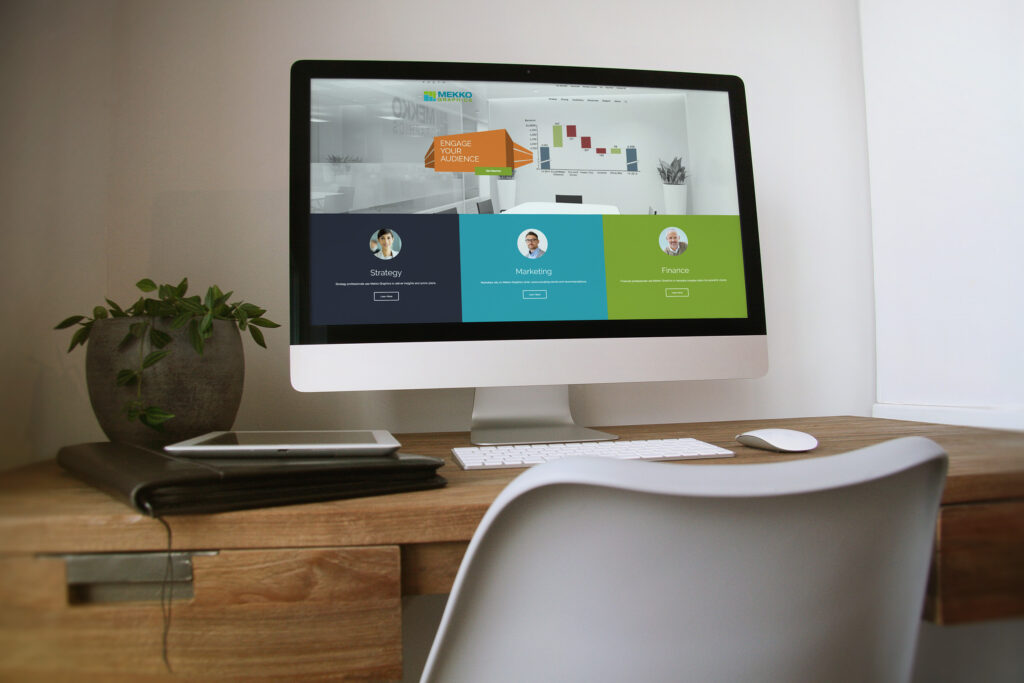
Audience-specific website paths and email templates supported more relevant communication.
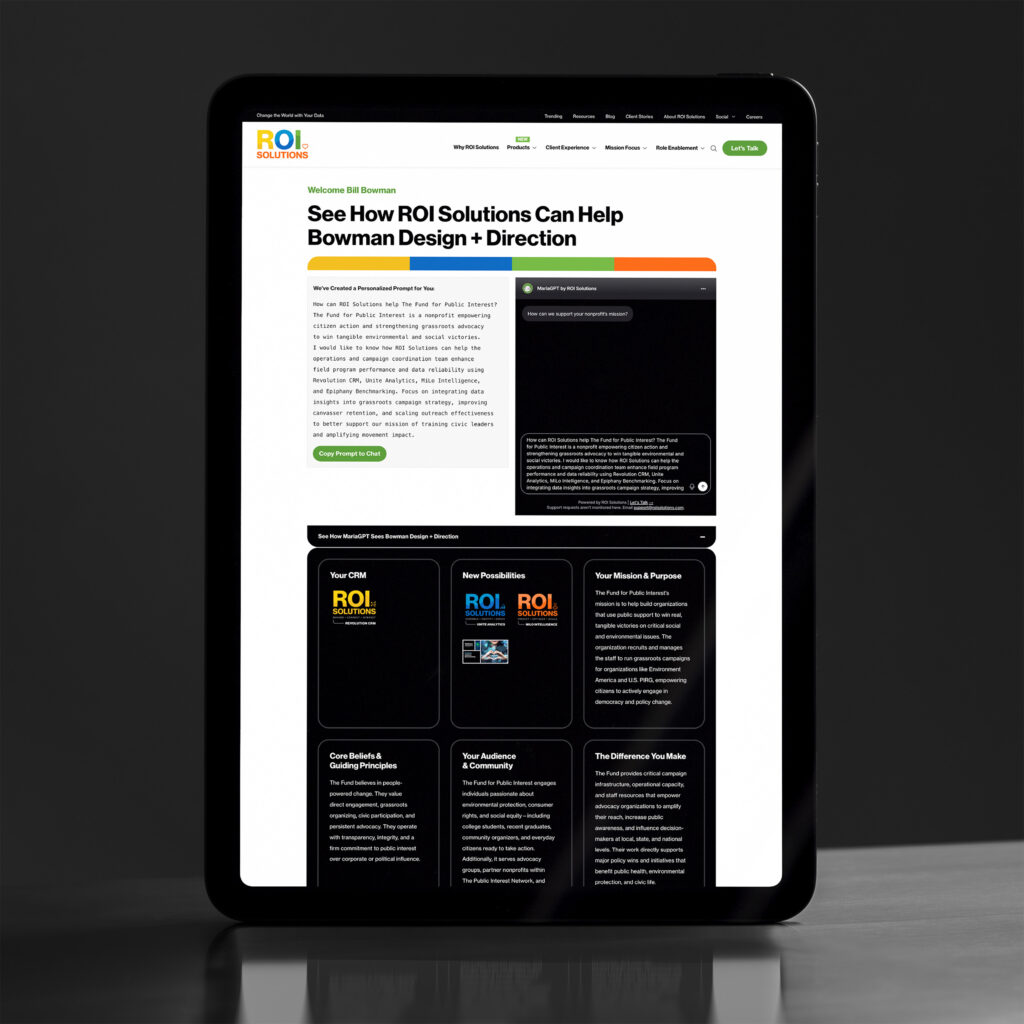
Mission-aware organization profiles connected personalized emails, landing pages, MariaGPT conversations, and the sales guide.
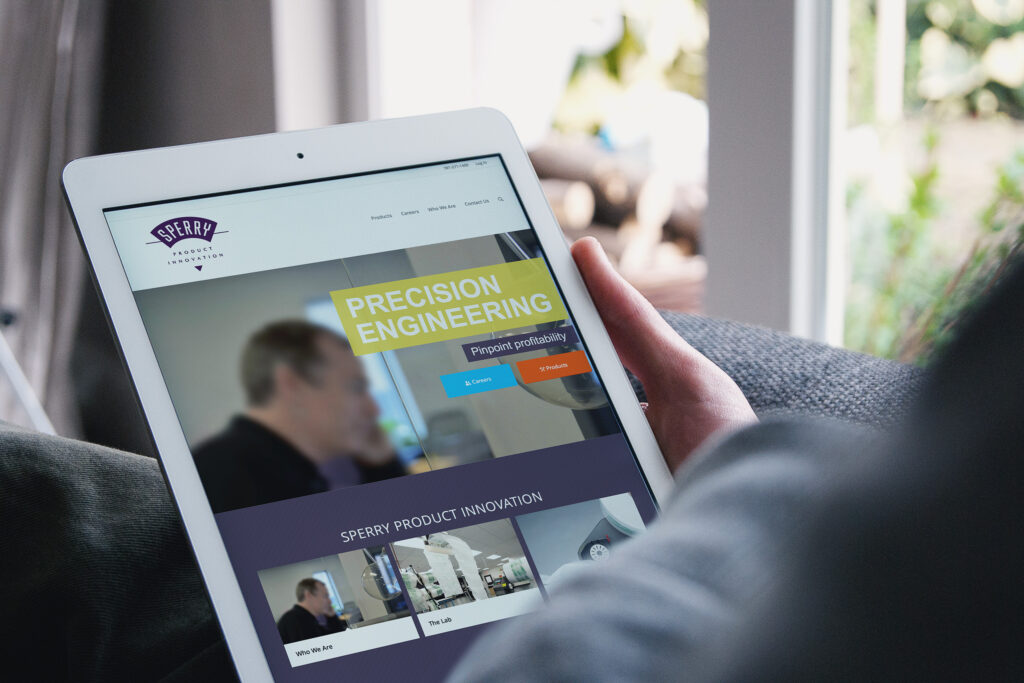
Role-based access gave clients, partners, and the internal team one secure place to exchange work, preserve knowledge, and keep product development moving.
Inside the Craft
CRM, forms, email, support, community, and automation share the same customer context.
Campaign strategies and creative that connect your brand to your customers consistently, tracked and refined with every send.
One contact record, connected to the systems that own products, orders, bookings, tickets, projects, and memberships. Tagging, lifecycle rules, and automations turn real behavior into timely communication, on the architecture that fits: the integrated WordPress ecosystem, HubSpot, Mailchimp, or ActiveCampaign.
Drip campaigns mapped to real interests. Relevant messages reach the right segment at the right time.
The relationship after the sale. Agents see the customer they are talking to. Members get help without starting over. Recurring questions become better support, knowledge, and training.
Between the Tools
Shared context helps each interaction inform the next.
A form captures intent, the record keeps the context, the right meeting gets booked, and the team is prepared before the call begins.
An order advances the relationship, starts onboarding, opens the right community or course, and gives support the purchase context it needs.
A support conversation becomes owned work without losing the customer. Repeated issues become knowledge, training, and better products.
Relationship Systems is a core Craft in the Relationship Engine. BDD Business OS extends that connected approach across the wider business operation.
Explore BDD Business OSNext Step
Put a system behind every customer you have earned.